


Cross Platform Mobile Apps
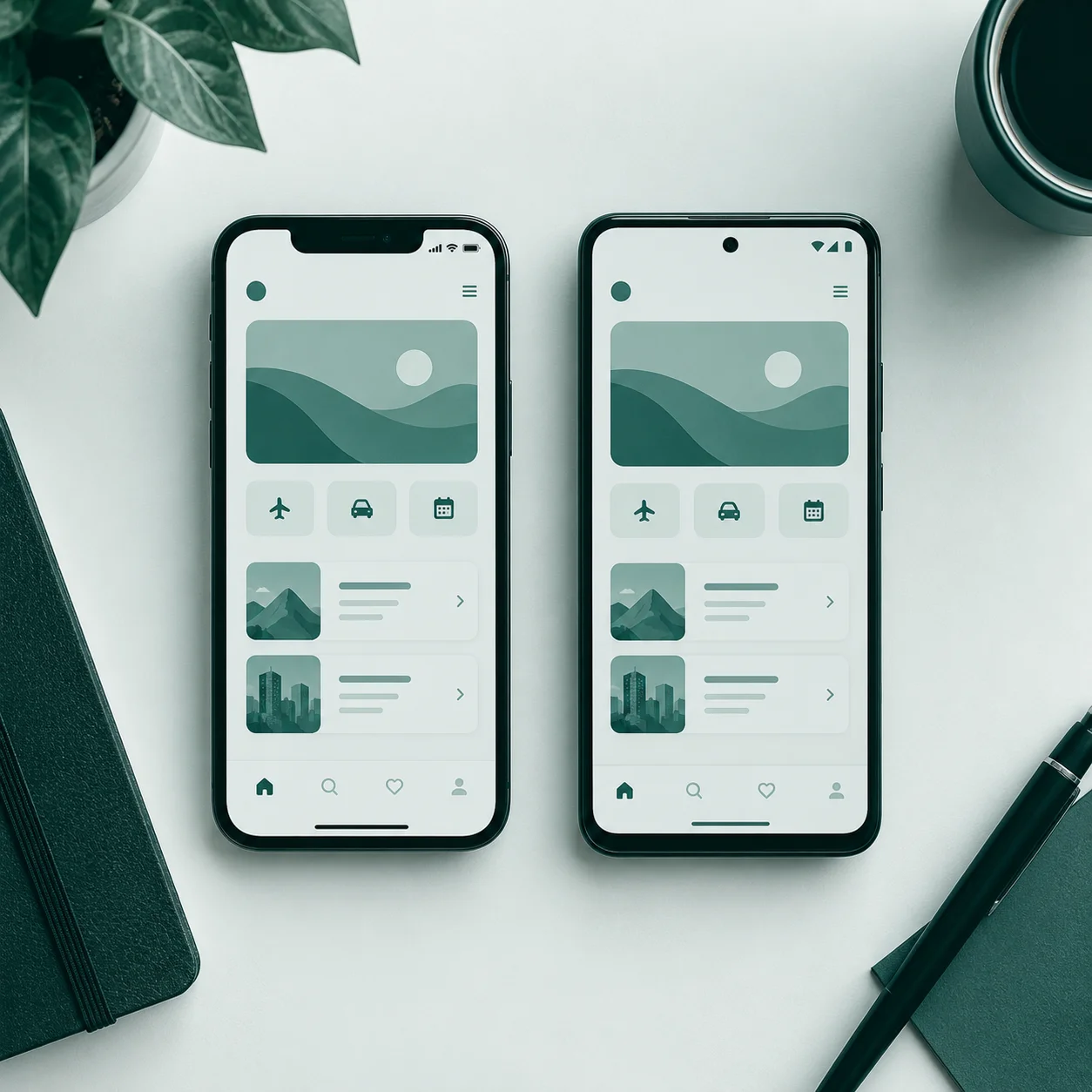
Flutter first development that ships to iOS and Android from a single codebase. Near-native performance without the cost of maintaining two separate builds.
MOBILE APP DEVELOPMENT
From an idea on a napkin to a fully integrated app on iOS and Android, we build mobile products that connect to your existing systems, survive real usage, and don't need a full rebuild every time the OS updates.
WHAT THISACTUALLY IS
A vague business goal, an inflated feature list, a platform choice made on gut feeling, and a launch plan that stops at the app store submission, these are what turn a promising product into an expensive icon nobody opens after the first week. We start by establishing what the app actually needs to do and for whom, not by asking for a feature list.
Platform choice, backend architecture, third-party integrations, and the post-launch reality all get mapped before a single screen is designed or a line of code is written.
Launching is not the finish line. It's where the real work begins. We build with that in mind from day one.
These aren't the only things we build, but they're where most mobile engagements start.
Flutter first development that ships to iOS and Android from a single codebase. Near-native performance without the cost of maintaining two separate builds.
Swift for iOS, Kotlin for Android, when platform-specific performance, hardware access, or deep OS integration makes native the right call.
The same backend powering your app and your website. One data source, one authentication layer, one admin panel. Both your products working as one.
Interfaces designed for how people actually use their phones, thumb-reach zones, gesture patterns, loading states and empty states that guide rather than confuse.
OS updates break things. User behavior reveals gaps. New features get requested. We offer defined post-launch support scopes so your app stays functional.
If the problem is real, we'll scope it. Every engagement starts with a conversation.
Get in touchWe start by understanding the problem the app needs to solve, not by collecting a list of screens you want. Who uses it, how they use it, what they're doing before and after they open it, and what success looks like in six months. Platform choice, backend requirements, and third-party integrations all get mapped here. No proposal before this conversation is done.

We design the system before we design the screens. Backend architecture, API structure, authentication, data models, and the Flutter or native decision, all confirmed and documented before any UI work begins. You get a scoped brief and a fixed quote. One number, not a range. Scope and price are locked here before anything is built.

Engineering and design run in parallel. As screens are built, they're tested on real iOS and Android devices, not just simulators. Edge cases, device-specific behaviour, OS version compatibility, and app store submission requirements are all addressed before launch, not discovered after. You see working builds throughout the process, not just at the end.

App store submission, approval, and launch are handled as part of the engagement, not handed back to you as a final task. Full ownership transfers at handoff: codebase, credentials, store accounts, and documentation written for the people maintaining the app. Post-launch support scope is agreed before the build starts, not introduced after.

Every engagement ends with a working app on the App Store and Google Play, owned & documented for whoever maintains it.
See Our Builds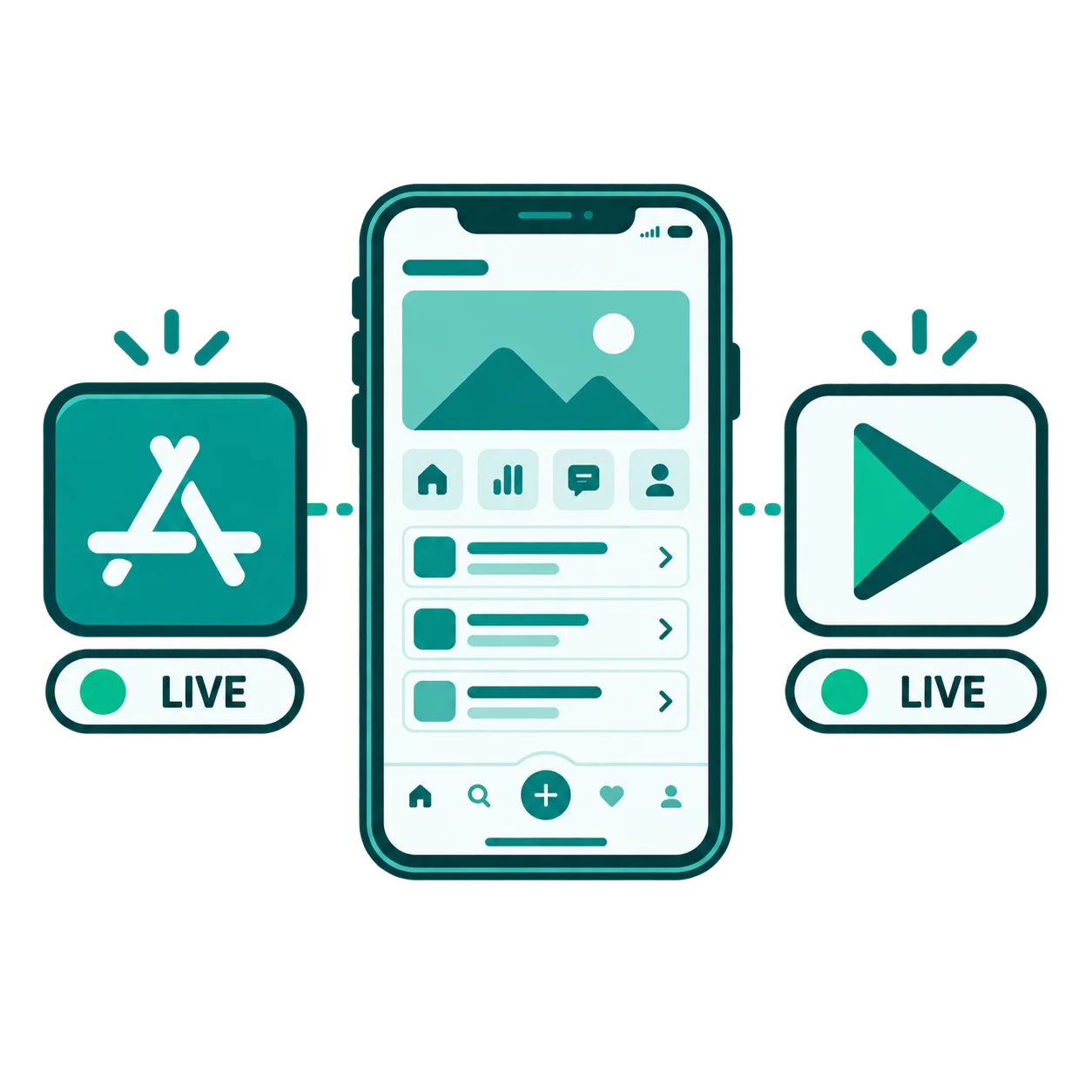
A production ready app live in App Store and Google Play, not a TestFlight build
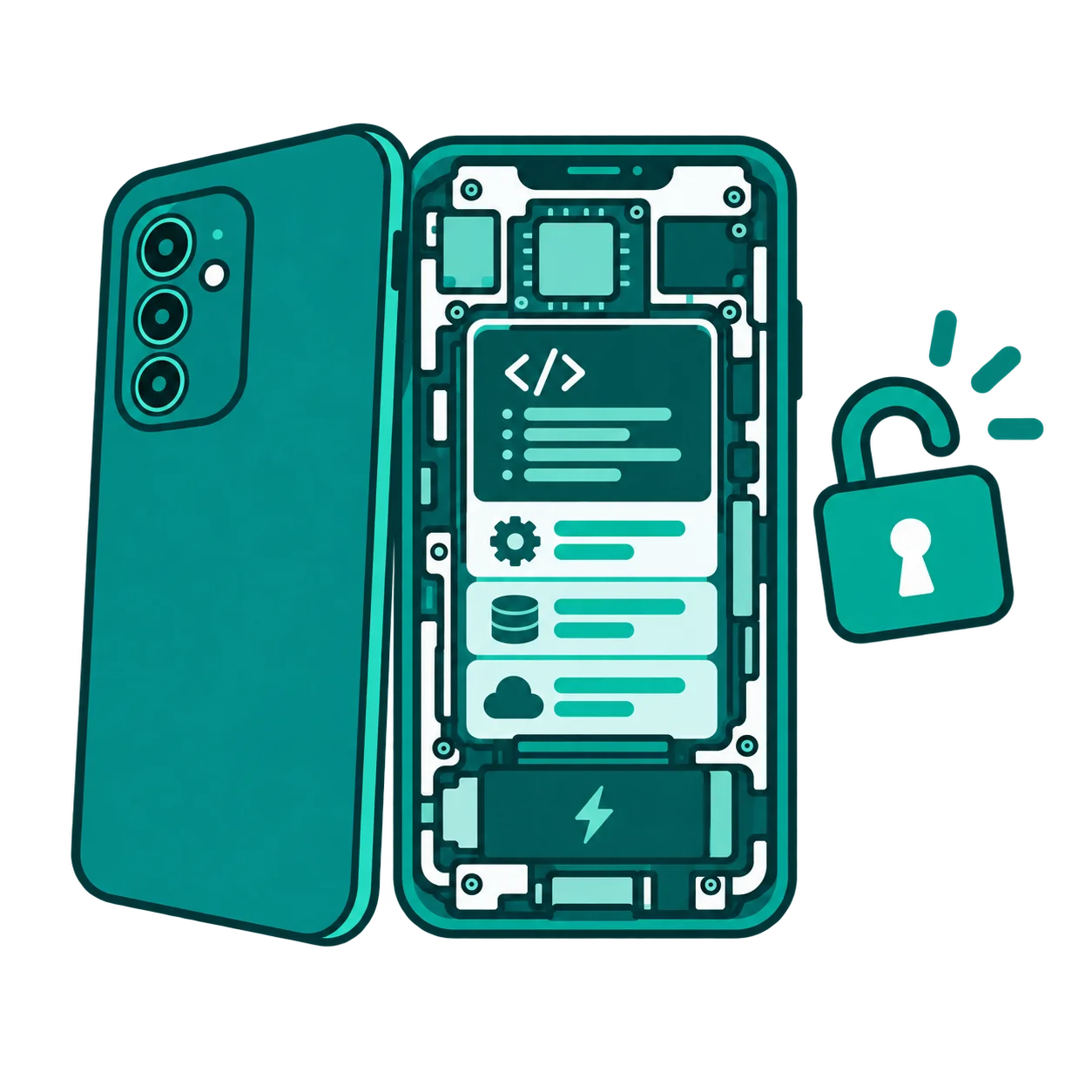
Full codebase ownership, Flutter or native, no proprietary wrapper that locks you in
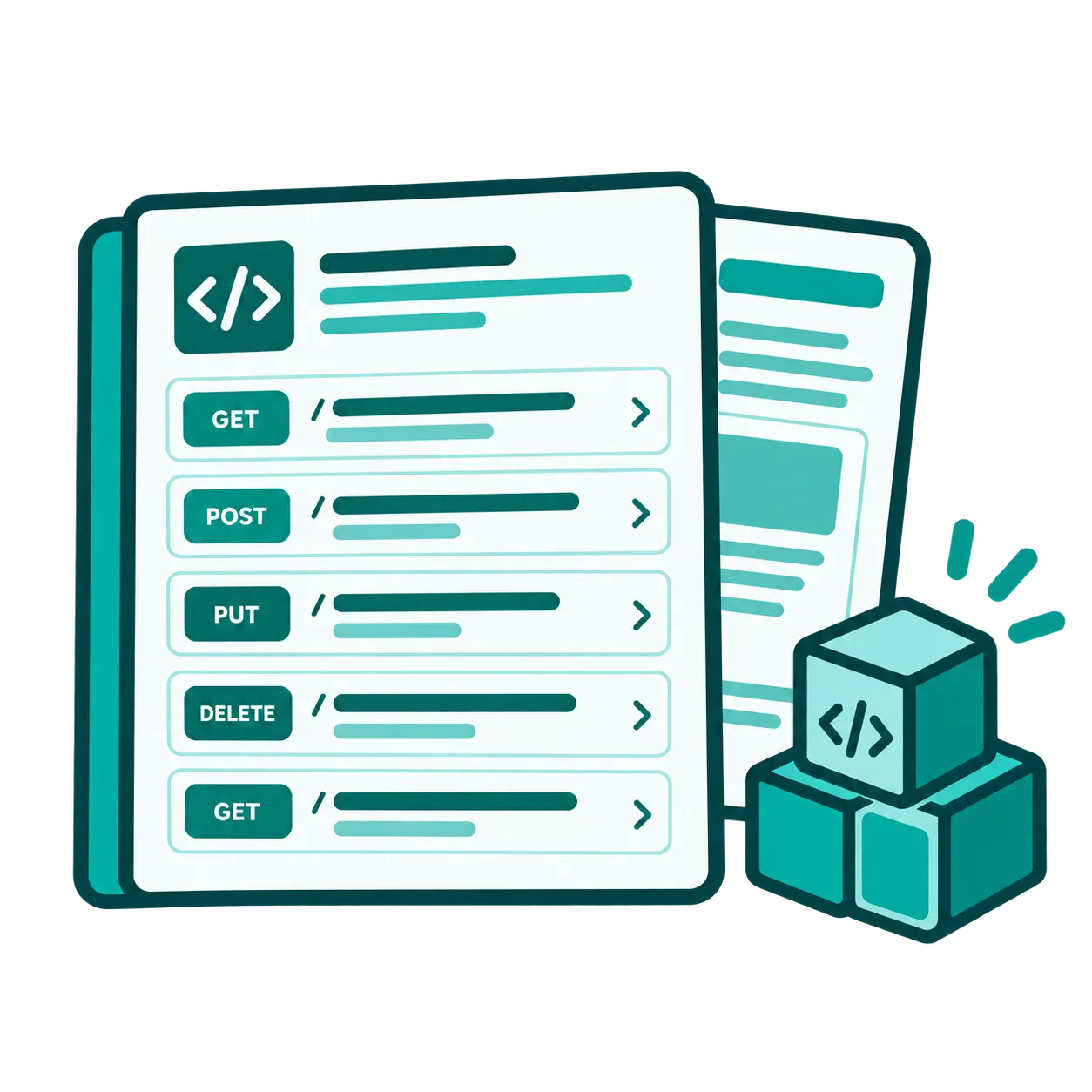
Backend and API documentation your team or future developers can build on
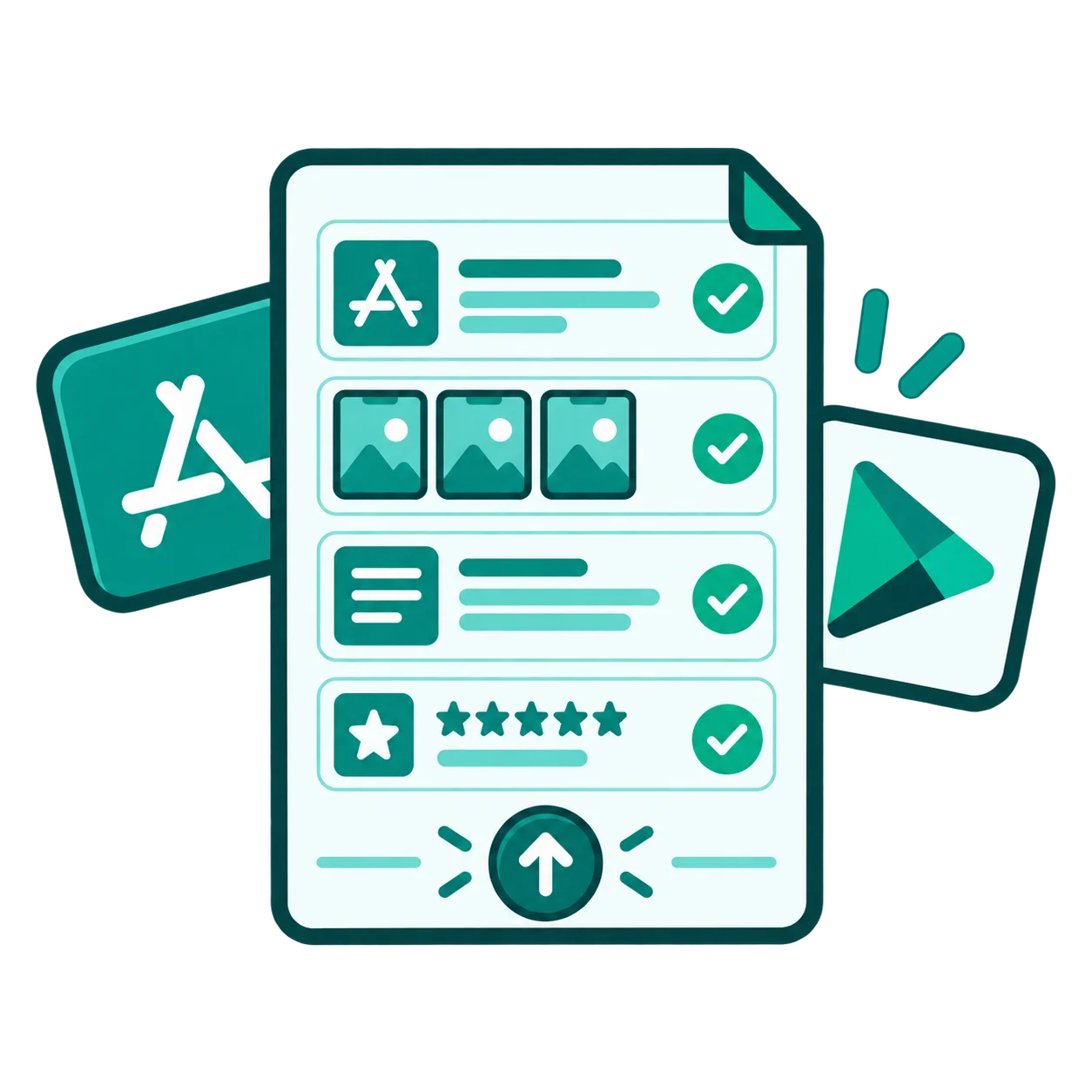
App store assets, metadata and submission handled as part of the engagement
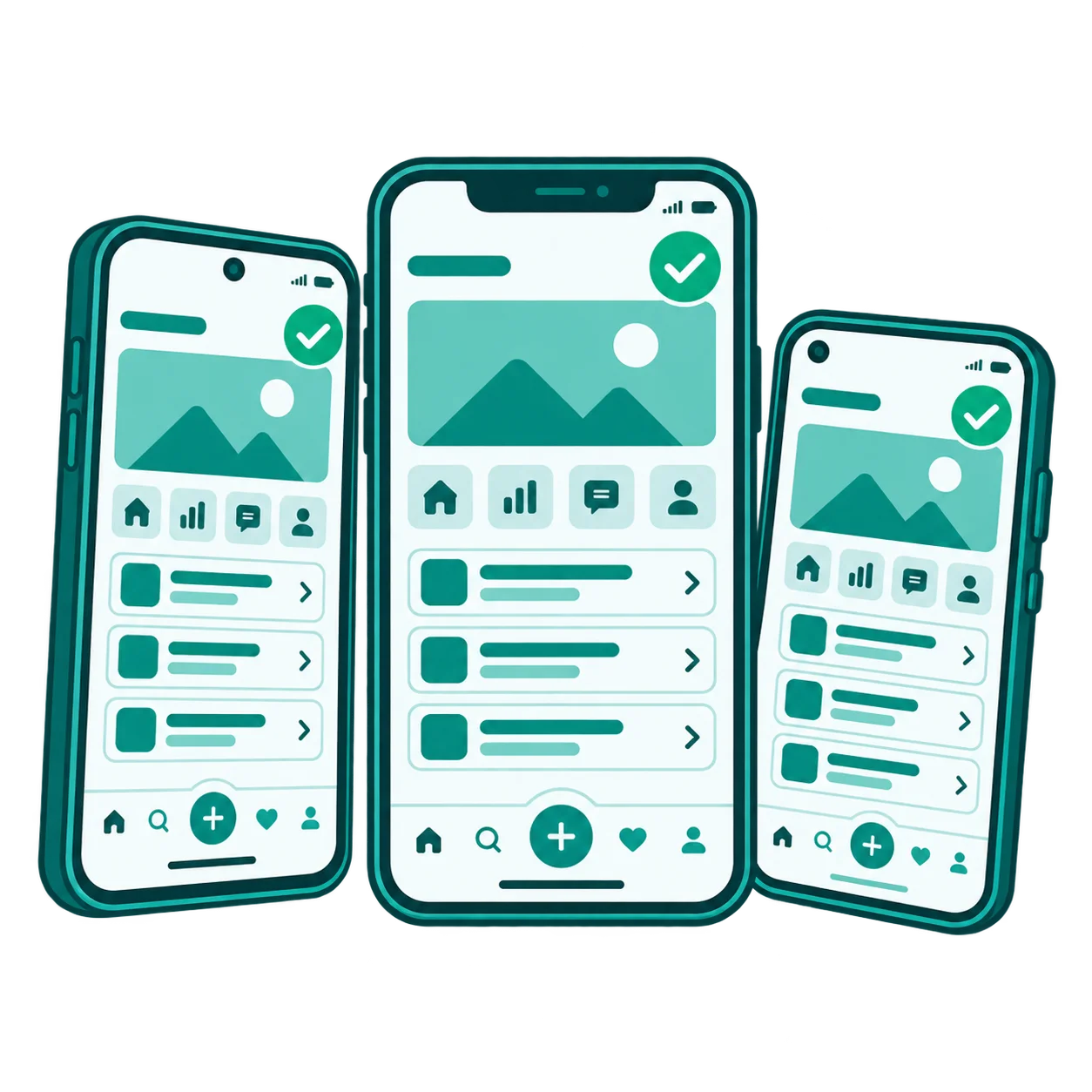
Tested across real devices and OS versions, not just emulators
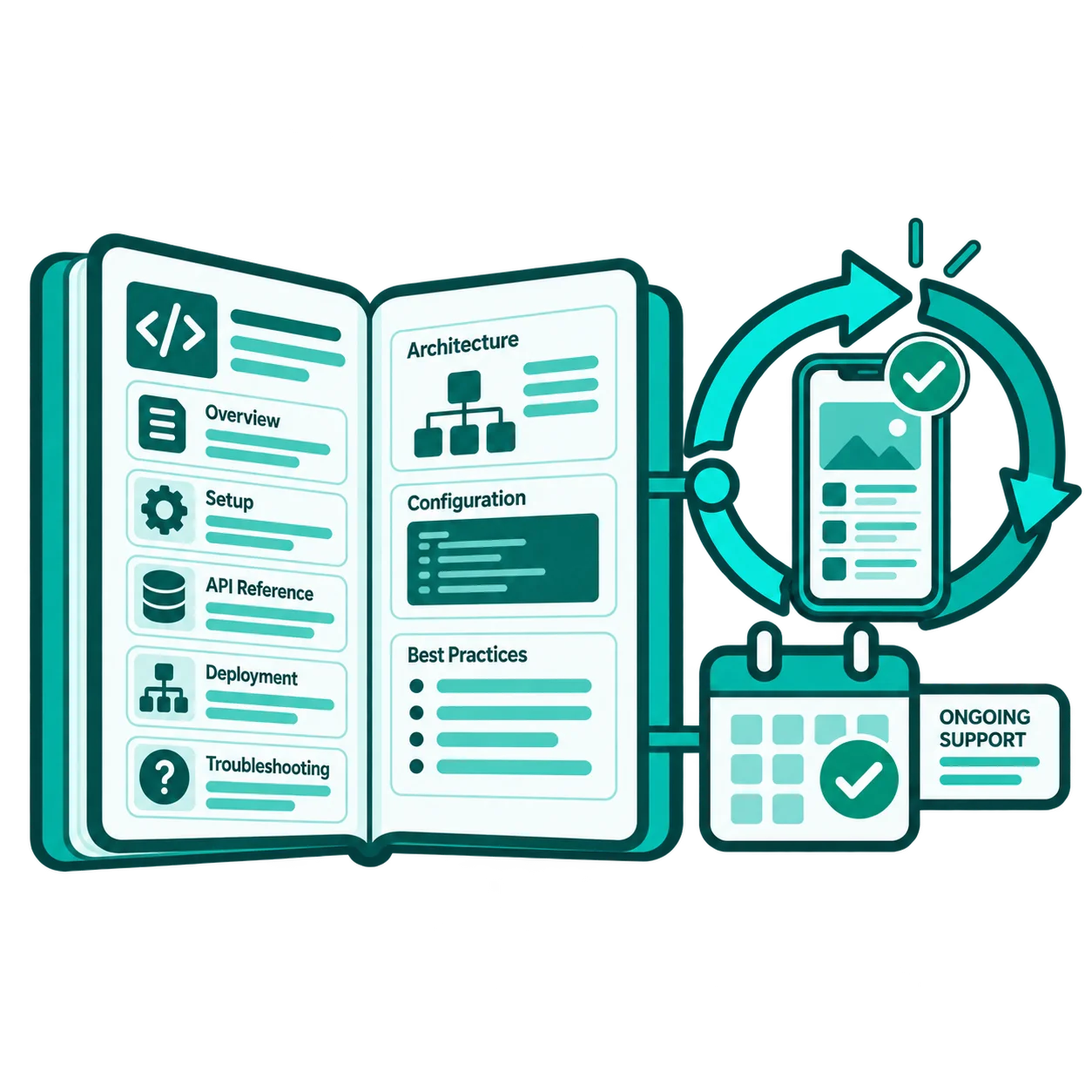
Handoff-ready documentation and post-launch support defined upfront
The answers we’d want before hiring anyone
01
Should we build with Flutter or go native iOS and Android?
That depends on what the app needs to do. Flutter is our default recommendation for most business apps, near-native performance, one codebase, both platforms, significantly lower build and maintenance cost. Native Swift or Kotlin is the right call when you need deep hardware access, platform-specific integrations, or performance that cross-platform genuinely can't match. We make that recommendation during Architecture & Scoping, explain the rationale, and you make the final call.
YOUR VISION, OUR CODE
No obligation on the first call. Just a conversation about what you’re actually trying to solve





 WhatsApp Us